
 by
by 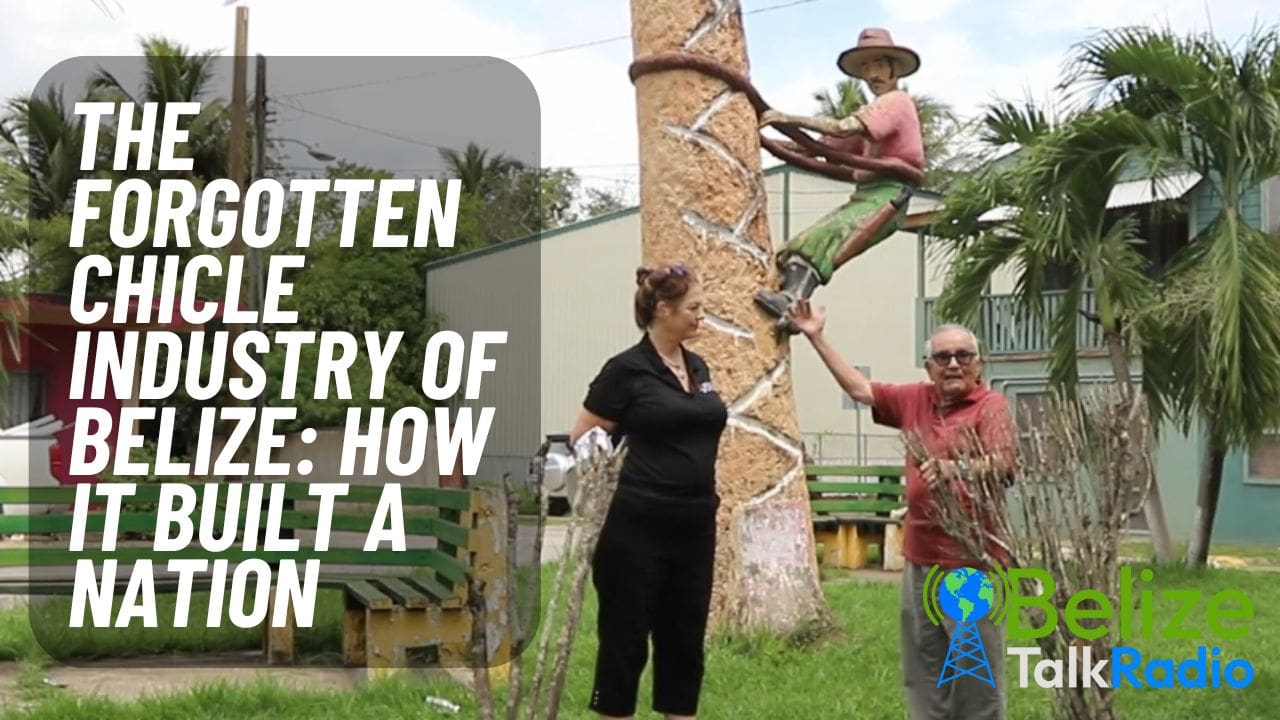
What is the Chicle Legacy of Benque Viejo, Belize - Quick Answer
The chicle legacy of Benque Viejo, Belize, refers to the region’s historical role in the chicle industry — once the backbone of Belize’s economy. From 1894 to 1961, local “chicleros” harvested natural gum from sapodilla trees, helping shape Belize’s culture and trade. Today, this same area — Benque Viejo del Carmen in the Cayo District of Belize — is a thriving, affordable destination for people looking to buy property, retire, or live in Belize.
Discovering Benque Viejo: A Town Built on Chicle Legacy and Heritage
Located in the westernmost part of Belize, right along the Guatemalan border, Benque Viejo del Carmen is a town filled with heart, heritage, and history.
The centerpiece of Benque is a striking statue — a tribute to the chiclero, a man who once risked his life climbing tall sapodilla trees to harvest chicle resin. This natural gum was exported globally, powering the chewing gum industry and forming one of the early economic pillars of Belize’s development.
From 1894 until 1961, the chicle industry flourished, with workers carrying resin blocks by mule from Benque Viejo to San Ignacio, since there were no paved roads. These routes later became the foundation for many of the roads and trade links we use today in the Cayo District.
The Fall of the Chicle Industry and Belize’s Economic Shift
In 1961, Hurricane Hattie swept through Belize, destroying much of the sapodilla forest and effectively ending the chicle trade. However, this natural disaster paved the way for Belize’s transformation into a diverse, opportunity-rich nation focused on tourism, agriculture, and sustainable real estate.
The chicle monument in Benque Viejo remains an enduring symbol of Belizean resilience — a perfect representation of the country’s ability to adapt, rebuild, and thrive.
Living in Benque Viejo: Why This Area Is Perfect for Expats and Investors
If you’re wondering “What’s it like living in Benque Viejo, Belize?” — the answer is simple: it’s peaceful, affordable, and surrounded by nature.
Here’s why Benque Viejo and the Cayo District stand out for those buying property in Belize:
🌴 1. Affordable Belize Real Estate
Land and home prices in Benque Viejo are significantly lower than in coastal regions like Ambergris Caye or Placencia. This makes it a great choice for retirees and first-time buyers seeking value.
🌿 2. Natural and Cultural Richness
The area offers lush green hills, riverfront properties, and close proximity to ancient Maya sites — ideal for anyone drawn to the beauty and history of Western Belize.
👪 3. A Strong, Welcoming Community
Benque is known for its friendly, family-oriented culture. Many residents have deep roots in both Belize and neighboring Guatemala, creating a vibrant cultural blend.
🚗 4. Convenient Location
Located just minutes from the Guatemalan border and 20 minutes from San Ignacio, Benque Viejo offers access to shopping, dining, and adventure — while maintaining a small-town lifestyle.
Buying Property in Belize: Why Work with KW Team Macarena Rose
When it comes to Belize real estate, local knowledge makes all the difference.
At Keller Williams Belize – Team Macarena Rose, we specialize in helping clients from around the world discover the best of living, investing, and retiring in Belize. Whether you’re looking for:
-
🏡 A riverside home in Benque Viejo
-
🌄 An acreage or eco-lodge in the Cayo District
-
🌅 A rental investment near San Ignacio
…our expert team can help you every step of the way — from understanding property laws to connecting you with local builders and legal professionals.
👉 Start your Belize journey today — Browse Cayo District properties for sale here or contact KW Team Macarena Rose for personalized guidance.
Why Benque Viejo Matters for Belize’s Real Estate Future
The story of the chiclero isn’t just a monument to the past — it’s a reminder that Belize’s growth has always been tied to its land and people.
Today, that same land offers modern opportunities for sustainable living, community growth, and real estate investment. By choosing to buy property in Belize, you’re becoming part of a legacy of renewal and connection that continues to shape the nation’s identity.
Frequently Asked Questions
Q: Where is Benque Viejo located in Belize?
A: Benque Viejo del Carmen is located in the Cayo District, near the western border with Guatemala, about 20 minutes from San Ignacio.
Q: Is Benque Viejo a good place to live in Belize?
A: Yes! It’s one of the most peaceful, affordable, and culturally rich areas for expats, retirees, and locals seeking community and natural beauty.
Q: Can foreigners buy property in Belize?
A: Absolutely. Belize welcomes foreign ownership with no restrictions on land purchases, making it one of the most open and secure real estate markets in the Caribbean.
Q: What is the cost of living in Benque Viejo, Belize?
A: The cost of living in Benque is significantly lower than in coastal areas, making it ideal for retirees or those seeking an affordable tropical lifestyle.
Start Your Belize Story with KW Team Macarena Rose
At KW Team Macarena Rose, we believe your Belize dream is more than just a property — it’s a lifestyle. Whether you’re planning to relocate, retire, or invest in Belize real estate, we’re here to guide you every step of the way.
🌴 Live the Belize lifestyle — where history, heart, and home come together.
📍 Serving Benque Viejo, San Ignacio, Cayo District, and all of Belize.
👉 Contact KW Team Macarena Rose today to begin your journey toward owning a piece of paradise in Belize.
Video Transcript Below - What Is the Chicle Legacy of Benque Viejo Belize
[00:30.2]
You’ve now taken me somewhere else. Where are we and why are we by this? Well, we are here at a symbol of the chicle industry in Belize, which flourished from 1894 up to about 1961, when Hattie Hurricane destroyed the jungles.
[00:50.0]
This man here represents a chiclero, exactly how they were dressed. They have the rope around them. They have spurs on their shoes to hold on to the tree. And they bled beginning from down here.
[01:06.6]
Here they bled the first cut. Then they cut here. Then they cut so that that resin flow into canals and then into the bag. Into the bag. Okay. When that bag is full, there is a, man that collects the bags into a big iron pot for cooking.
[01:29.1]
But there were many chicleros. So this man got and received from his chiclero the amount of resin. Then this man cooked it hard into blocks of about 20, 25 pounds, So that the mules would come, receive, sign a receipt for how many blocks they got, and then the mules take it to the town.
[01:56.0]
Benque Viejo & San Ignacio. So they didn’t use the bacadier. They didn’t take it by boat? No, no, no. This was separate. This was one that was brought and then taken from Benque by mules to San Ignacio. There was no road. It was just a mule track. So this went on over the years until 61, the chicle started to go down.
[02:18.6]
And so this industry almost came to a halt. But this is a symbol worth preserving because this is what built the economy of Belize. The chicle and the mahogany, they were the main sources of export.
[02:35.7]
There was no sugar. There was no citrus. There was no nothing. It was chicle and mahogany. What is the significance, Don Hector, of being here in Benque Viejo and this statue? Yes, because the industry in Benque, the major industry was chicle.
[02:54.1]
Most of the men used to work the mahogany workers were mostly brought from Belize. Strong, heavy man. Or the mosquito, the white cow. They were mostly the mahogany people. But the Chiclero were small people like myself that could climb way up to the top and looking not to drop.
[03:16.3]
Cause you drop. That’s it. Because it used to go very high, twice as high as this. And then the resin goes down there, as I told you. And that was where the resin was collected. But the petaneros, actually, the petaneros there did the same job that these did here, except that they brought it already on blocks for with mules to Benque Viejo, where the buyers were.
[03:40.3]
And from there, all of the Chicle went. But Guatemala used a lot of rivers to transport both mahogany and chicle. So that gives us a strong argument that there is no claim.