
 by
by 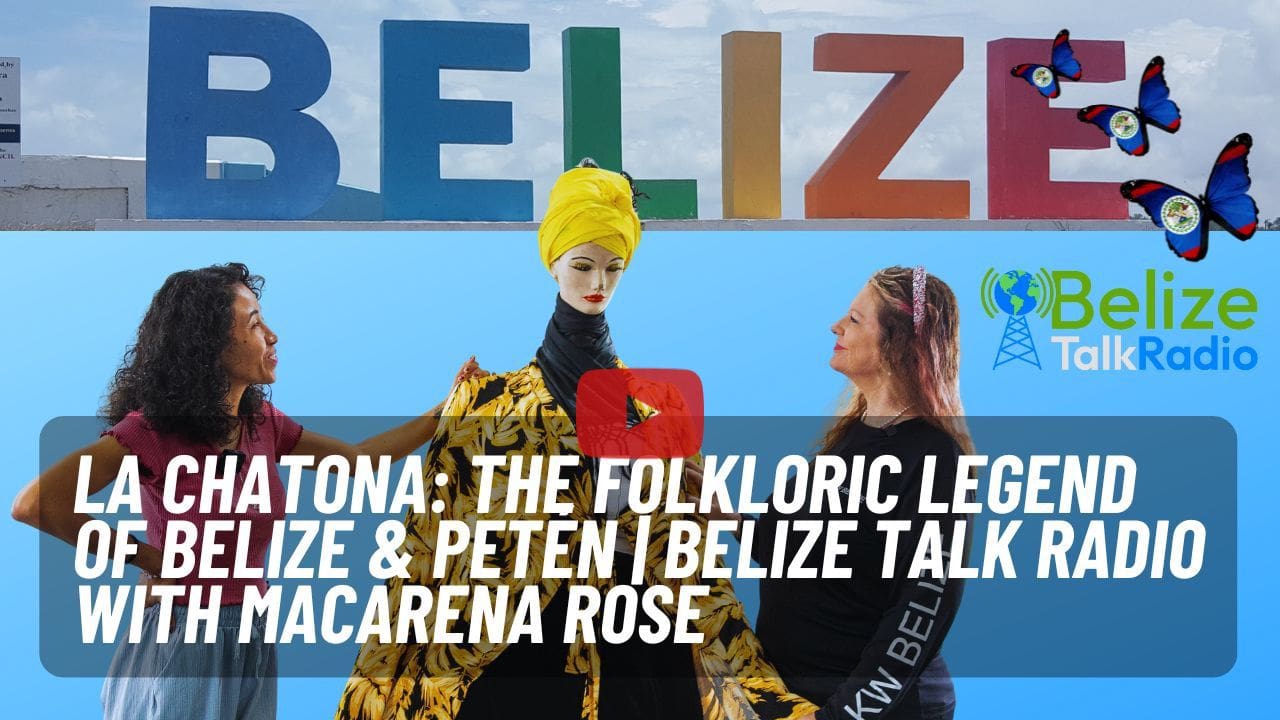
Introduction La Chatona: Discovering the Real Belize Through Storytelling
If you want to learn more about the real Belize and listen to the voices of locals and expats who live, love, and preserve its heritage, you’re in the right place.
This is Belize Talk Radio, hosted by Macarena Rose, Belize and international real estate expert and cultural storyteller.
In this episode, we travel to San Ignacio in the Cayo District, where Belize’s cultural diversity comes alive through folklore, music, and community traditions.
Where We Are: San Ignacio, Cayo District, Belize
San Ignacio, located in western Belize near the Guatemalan border, is a cultural crossroads shaped by migration, history, and tradition. The region reflects Belize’s unique identity—not one culture, but many, coexisting as one nation.
Here, Macarena meets Karla Pinelo, the Cultural Liaison of the House of Culture, a key figure in preserving and sharing Belize’s living heritage.
Who Is La Chatona? A Belizean Folkloric Icon Explained
La Chatona is a towering folkloric character deeply rooted in the cultural history of western Belize.
Her Origins
Originally from San Andrés Petén, Guatemala
Migrated to Belize with families who settled in Benque Viejo, San Ignacio, and the Cayo District
So iconic that San Andrés Petén has a monument dedicated to her
Her name is believed to originate from Antonia or Petrona, evolving into “La Chatona” through oral tradition.
The Lore Behind La Chatona and the Chicleros
One of the most meaningful aspects of La Chatona’s story connects her to the Chicleros—men who worked under harsh conditions harvesting chicle deep in the jungle.
According to folklore:
She was one of the few women who entered the Chiclero camps
She cooked, washed, danced, sang, and brought joy
She represented community, comfort, and celebration in the middle of the jungle
Her lively spirit, love for music, and passion for dance made her deeply loved.
Music, Dance, and Marimba: The Heartbeat of the Tradition
La Chatona traditionally dances to marimba music, a sound that instantly invites movement, joy, and connection.
Her dance is:
Playful
Expressive
Interactive with the community
A symbol of shared celebration
The marimba doesn’t just accompany La Chatona—it brings her to life.
The Tragic Ending That Created a Living Tradition
One season, La Chatona did not return to the camps.
The story tells that:
She was bitten by a snake while traveling back
She passed away before reaching the camp
The Chicleros, missing her deeply, created a life-sized doll from bush sticks
This act was meant to keep her spirit alive
From that moment, La Chatona became a symbol of remembrance, resilience, and cultural preservation.
Keeping the Tradition Alive in Belize Today
Traditionally, men danced La Chatona, hiding underneath the structure to bring her movements to life.
Today, the tradition is evolving.
Thanks to cultural ambassadors like Karla Pinelo:
Women now dance La Chatona
The tradition is being passed to new generations
Culture remains alive, inclusive, and evolving
Don Luis Lara of Benque Viejo, a master Chatona maker, learned the craft from his grandfather—proving how deeply this tradition runs through families.
Why La Chatona Represents Belize
La Chatona is more than folklore.
She represents:
Cultural diversity
Migration and shared history
Community care
Celebration despite hardship
Belize as many cultures, one country
As Macarena beautifully reflects—one love, one people, one Belize.
Final Thoughts: Preserving Culture Through Story
Through Belize Talk Radio, stories like La Chatona’s remind us why cultural preservation matters. These stories connect generations, honor ancestors, and invite the world to understand Belize beyond tourism brochures.
Whether you’re Belizean, an expat, or someone discovering Belize for the first time—this is the heart of the country.