

 by
by 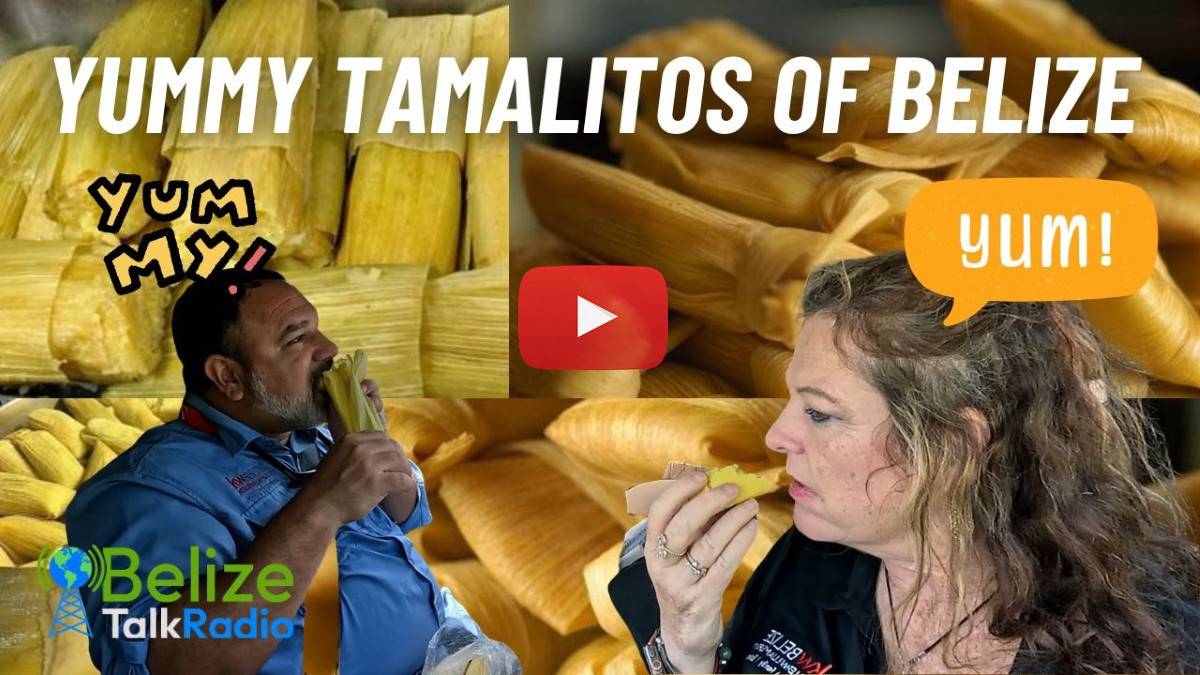
Discovering Belizean Dukunu: Tasting Authentic Tamalitos
If you want to learn more about the real Belize and listen to local and expat stories of those living in Belize, you’re in the right place. This is Belize Talk Radio. Please welcome your host, Belize and international real estate expert, Macarena Rose.
What Is Belizean Dukunu (Tamalitos)?
When exploring the vibrant culinary traditions of Belize, one dish consistently stands out for its authenticity, simplicity, and deep cultural roots: dukunu, also known as tamalitos. This beloved Belizean delicacy is a traditional corn-based dish made from young, tender maize that hasn’t yet hardened. Ground into a smooth, slightly sweet dough, dukunu represents the essence of farm-to-table cooking in Belize.
In Spanish-speaking communities, the dish is often referred to as tamalitos, while in Belizean Creole, locals proudly call it dukunu. Regardless of the name, the preparation and flavor capture the heart of Belizean cuisine—fresh, bold, and deeply satisfying.
A Taste of the Conversation: Sweet or Salty?
Picture this: a roadside stop in Belize, where the scent of fresh corn and steaming husks fills the air.
“Are they salty tamalitos or sweet tamalitos?”
“I want the salt ones. How much are they?”
“$5 a bag.”
This simple exchange perfectly captures the everyday charm of Belizean food culture. Whether you’re traveling through the lush inland regions like San Ignacio or exploring coastal villages, you’ll often find dukunu sold roadside, wrapped neatly in corn husks and ready to enjoy.
The key distinction? Sweet vs. savory dukunu.
- Savory (Salty Dukunu): The traditional Belizean favorite, made with salt, butter, and often a hint of habanero pepper for subtle heat.
- Sweet Dukunu: More common in other parts of Central America, where sugar enhances the natural sweetness of young corn.
In Belize, however, locals overwhelmingly prefer the savory version—rich, buttery, and slightly spicy.
How Dukunu Is Made: From Cornfield to Plate
The magic of dukunu lies in its simplicity and freshness. The process begins with young corn, harvested before it becomes firm. This tender corn is then ground into a soft, almost liquid dough.
Typical ingredients include:
- Ground young corn
- Butter (often real, rich butter for depth of flavor)
- Salt
- Habanero pepper
Some home cooks elevate the recipe further by adding fresh coconut milk, enhancing both texture and flavor.
Once mixed, the dough is poured into the very husk of the corn, folded carefully, and then steamed—not boiled. As it steams, the mixture transforms from a loose batter into a firm, cohesive tamale-like texture.
Steamed to Perfection: The Traditional Cooking Method
Unlike many corn dishes, dukunu is not baked or fried during its initial preparation. Instead, it is gently steamed inside its natural wrapper—the corn leaf. This method preserves moisture and infuses the dish with a subtle earthy aroma.
When done, the dukunu emerges soft, tender, and slightly dense—similar to a tamale but smoother and more delicate.
And here’s a local secret:
Many Belizeans take it one step further.
After steaming, dukunu can be removed from the husk and fried in butter until the outside develops a golden, slightly crispy crust. This step adds a whole new dimension of flavor and texture, turning an already delicious dish into something unforgettable.
Why Dukunu Is a Must-Try Belizean Food
Belizean cuisine is often underrated by those unfamiliar with its rich blend of influences—Mayan, Creole, Garifuna, and Mestizo traditions all come together in dishes like dukunu.
Despite occasional misconceptions (yes, some travelers have mistakenly labeled Belizean food as bland), experiences like tasting freshly made dukunu quickly prove otherwise.
The flavors are:
- Fresh and natural
- Balanced between savory and slightly sweet
- Enhanced by local ingredients like habanero and coconut
As one enthusiastic taster put it:
“This is good stuff… It’s moist, it’s flavorful, it’s not dry—it’s really good.”
Regional Differences: Big Dukunu in the South
Interestingly, dukunu varies across Belize. In areas like San Ignacio, you might find smaller, snack-sized portions. But travel further south, and you’ll discover larger, heartier versions that can easily serve as a full meal.
This regional variation reflects Belize’s diverse culinary landscape, where each community adds its own touch to traditional recipes.
Street Food Culture in Belize
One of the best ways to experience dukunu is straight from the roadside. Belize’s street food scene is vibrant and accessible, offering travelers and locals alike the chance to enjoy authentic flavors on the go.
Whether you’re driving through rural villages or exploring bustling town centers, you’ll often find vendors selling freshly made dukunu alongside other local favorites.
It’s quick, affordable, and incredibly satisfying—perfect for travelers wanting a true taste of Belize.
Elevating Dukunu at Home
While roadside dukunu is delicious, homemade versions can reach an entirely different level—especially when made with premium ingredients.
Imagine:
- Freshly grated corn
- Homemade coconut milk
- High-quality butter
- Carefully balanced seasoning
The result? A rich, creamy, and deeply flavorful dish that showcases the full potential of this Belizean classic.
Some home cooks even add bell peppers or additional spices, creating a more complex flavor profile while still honoring tradition.
Dukunu and Belizean Identity
Food is more than sustenance—it’s culture, history, and identity. Dukunu represents all three in Belize.
It tells a story of:
- Agricultural traditions rooted in corn cultivation
- Generational recipes passed down through families
- The blending of cultural influences that define Belize
For locals, dukunu isn’t just food—it’s a connection to home.
Final Thoughts: A Flavor Worth Discovering
If you’re exploring Belize—or even just dreaming about it—dukunu is a dish you shouldn’t miss. Whether you prefer it savory with a hint of habanero or are curious to try a sweeter variation, this humble corn creation delivers a rich and authentic taste of the country.
As the Belize Talk Radio experience reminds us, discovering Belize isn’t just about the landscapes or real estate opportunities—it’s about the people, the stories, and yes, the food.
So next time you find yourself in Belize, pull over at a roadside stand, unwrap a warm corn husk, and take a bite of dukunu.
You might just become a fan.